

Hear from Our Customers
You shouldn’t have to wonder if that musty smell is making your family sick. Or if those allergy symptoms that won’t quit are actually coming from something growing behind your walls.
Most mold problems start where you can’t see them. Basements that feel damp after rain. Crawl spaces that never quite dry out. Attics with poor ventilation that trap moisture all summer long. By the time you spot visible mold, it’s usually been spreading for weeks or months.
Professional mold testing tells you exactly what’s happening in your home. We test the air. We check moisture levels in walls, floors, and ceilings. We use thermal imaging to find cold spots that signal water intrusion. And we identify the specific types of mold present, so you know if you’re dealing with common surface mold or something that needs immediate attention like black mold.
The goal isn’t to scare you. It’s to give you facts. Because once you know what you’re dealing with, you can make the right call about what happens next.
We’ve been serving Fountainville and Bucks County since we started. We’ve seen what Pennsylvania’s humid summers and wet basements do to homes here. We know the common trouble spots in older homes and newer construction alike.
We’re not the company that shows up, waves a meter around, and leaves you with a vague report. We walk you through what we find, explain what it means, and tell you honestly whether you need remediation or just better ventilation.
Our inspections are free. Our pricing is upfront. And if you need help dealing with insurance, we’ll handle that paperwork so you don’t have to figure it out alone.
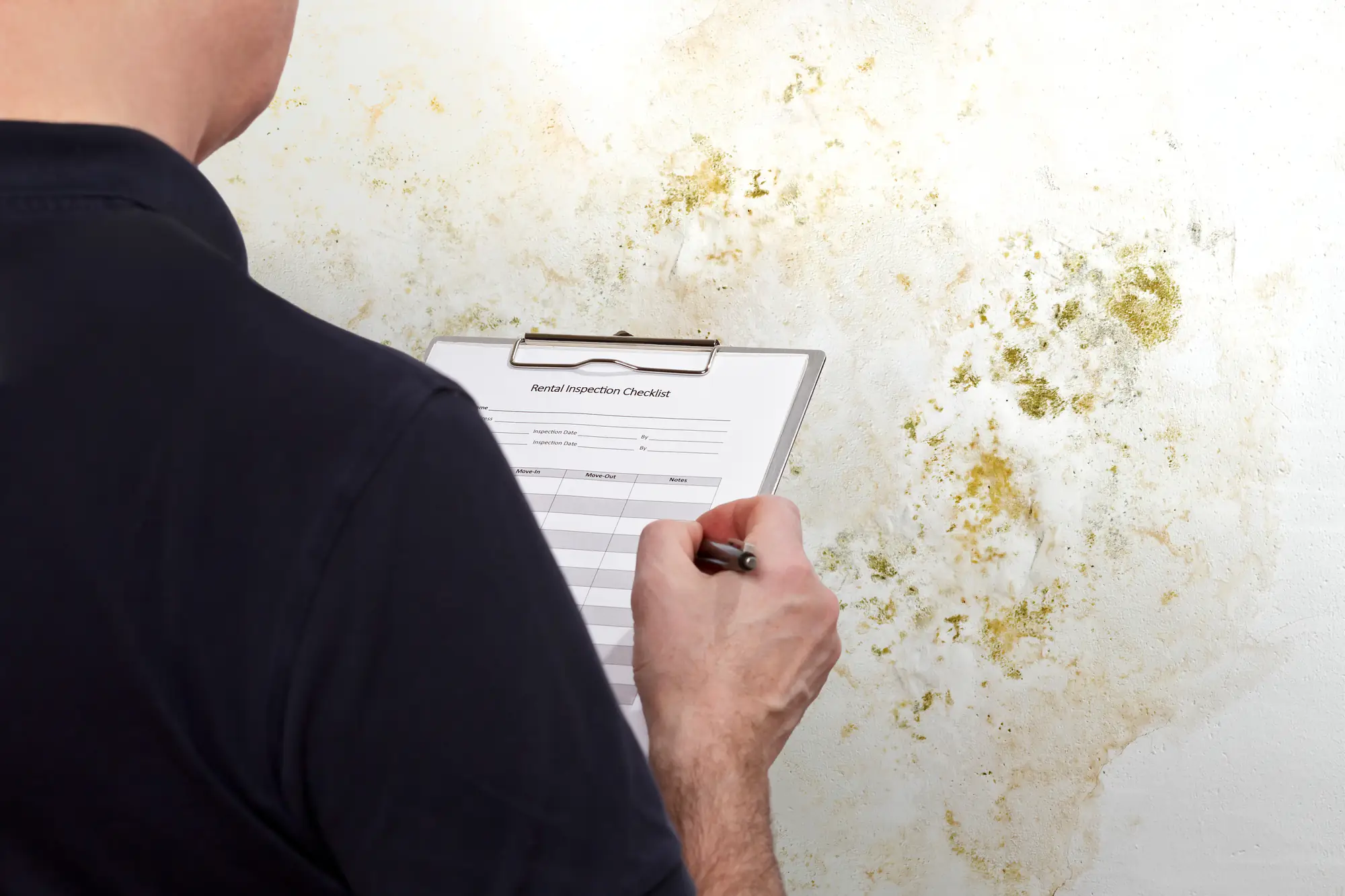
We start with a visual inspection of your entire home. That means checking basements, bathrooms, attics, crawl spaces, and anywhere else moisture tends to collect. We’re looking for visible mold, water stains, condensation, and signs of past leaks.
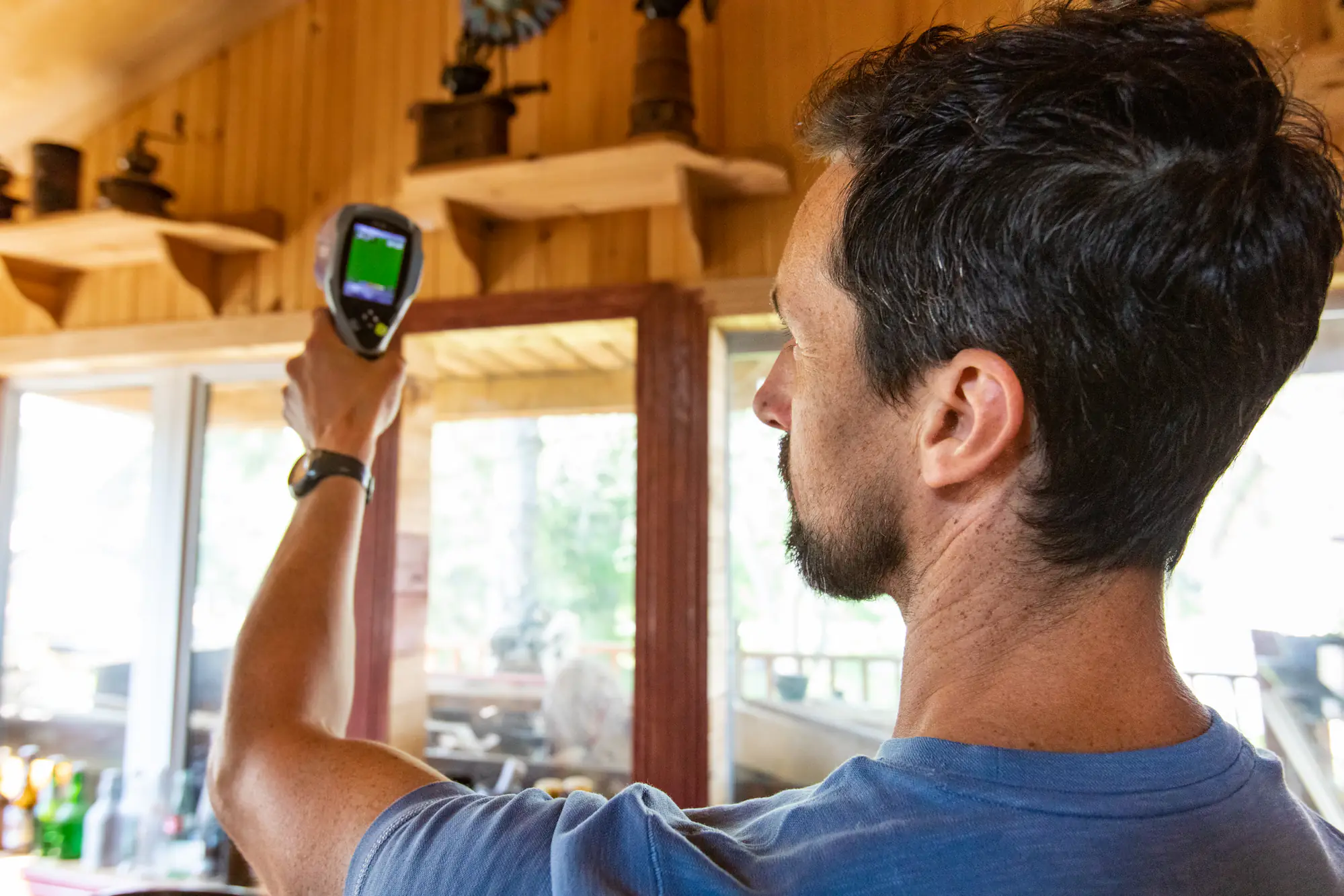
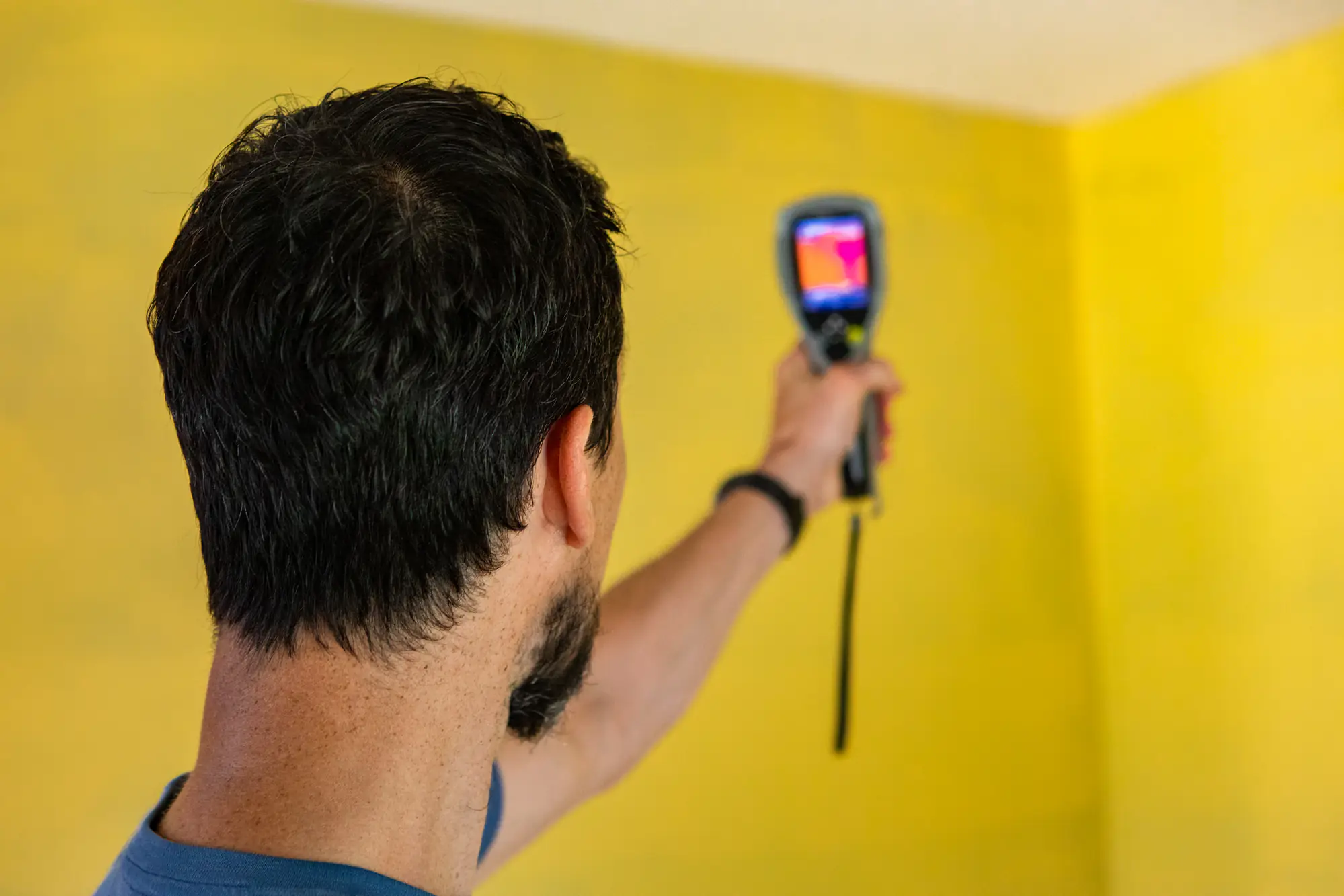
Next, we use moisture meters to measure humidity levels inside walls, ceilings, and floors. High readings tell us where water is hiding, even if there’s no visible damage yet. We also use thermal imaging cameras to spot temperature differences that indicate moisture intrusion or poor insulation.
If we find problem areas, we collect air samples and surface samples. Those samples go to a certified lab that identifies the exact types of mold present and measures spore concentrations. This isn’t guesswork. It’s data.
Once the lab results come back, we sit down with you and explain what they mean. If remediation is needed, we outline the scope of work and give you a clear estimate. If the issue is minor, we’ll tell you that too and recommend steps to prevent it from getting worse.
The whole process usually takes a few hours for the inspection, and you’ll have lab results within a few days.
Ready to get started?
Every mold testing service we do includes a complete visual inspection, moisture mapping with professional-grade meters, and thermal imaging to detect hidden water issues. We don’t skip corners or rush through it.
If air quality testing is needed, we collect samples from multiple rooms to measure airborne mold spore levels. This is especially important if someone in your home has respiratory issues or unexplained allergies. Surface testing is also available when we find visible mold and need to identify the specific type.
In Fountainville and throughout Bucks County, we see the same patterns. Humid summers create condensation in attics and upper floors. Basements stay damp after heavy rain because of poor drainage or foundation cracks. Bathrooms without proper ventilation grow mold around tubs and behind toilets. And crawl spaces with dirt floors release moisture that seeps into floor joists.
We know what to look for because we’ve been doing this here for over a decade. And we know how to explain it in a way that makes sense, not in jargon that leaves you more confused than when we started.
Most residential mold testing in Fountainville runs between $300 and $600, depending on the size of your home and how many samples we need to collect. That includes the visual inspection, moisture testing, thermal imaging, and lab analysis of air or surface samples.
We offer free initial inspections, which means we’ll come out, assess your situation, and give you an honest opinion about whether testing is even necessary. Sometimes the problem is obvious and doesn’t require lab work. Other times, testing is the only way to know for sure what you’re dealing with.
If remediation is needed after testing, many homeowners insurance policies cover mold removal when it’s caused by a covered event like a burst pipe or roof leak. We’ll help you navigate that process and provide documentation your insurance company needs.
The on-site inspection usually takes two to four hours, depending on the size of your home and how many areas need attention. We’re thorough, but we’re not going to waste your time poking around places that clearly aren’t a problem.
Once we collect samples, they go to a certified lab for analysis. Lab results typically come back within three to five business days. As soon as we have them, we’ll contact you to review the findings and discuss next steps.
If you’re dealing with an urgent situation—like a recent flood or a family member with serious respiratory symptoms—we can prioritize your case and request expedited lab processing. Most testing situations aren’t emergencies, but when they are, we move fast.
You can, but those kits won’t tell you much. Most DIY mold test kits only confirm that mold spores are present, which isn’t useful information because mold spores are present in every home. What matters is the type of mold and the concentration.
Professional testing identifies specific mold species and measures spore counts in the air. That’s how we determine if levels are abnormal and whether certain areas of your home have dangerous mold like Stachybotrys (black mold). DIY kits can’t do that.
We also use equipment you don’t have access to—moisture meters that read inside walls, thermal cameras that detect hidden leaks, and sampling methods that meet industry standards. If you’re trying to get insurance coverage or need documentation for a real estate transaction, a DIY test won’t hold up. You need a professional report from a certified lab.
In Bucks County, we see a lot of Cladosporium, Penicillium, and Aspergillus. These are common molds that thrive in damp environments and usually show up in basements, bathrooms, and around windows with condensation issues. They’re not as dangerous as black mold, but they still cause allergy symptoms and respiratory irritation.
Stachybotrys chartarum—black mold—is less common but more serious. It grows on materials that stay wet for extended periods, like drywall after a leak or wood that’s been exposed to chronic moisture. Black mold produces mycotoxins that can cause severe health problems, especially in children, elderly people, and anyone with compromised immune systems.
Pennsylvania’s humid climate makes mold growth more likely than in drier states. When summer humidity sits above 60% for weeks at a time, and basements don’t have proper dehumidification, mold spreads fast. Testing identifies exactly what’s growing so we can treat it correctly.
Sometimes yes, sometimes no. If you’re smelling a musty odor but can’t find the source, testing makes sense. That smell is often the first sign of hidden mold growth behind walls, under floors, or in HVAC ducts.
If someone in your home has respiratory symptoms that get worse indoors—coughing, wheezing, sinus congestion, headaches—and doctors can’t figure out why, mold could be the culprit. Air quality testing measures spore levels and helps rule mold in or out as a cause.
Testing is also smart after any water damage event, even if you dried everything quickly. Mold can start growing within 24 to 48 hours of water exposure, and it often takes hold in places you can’t see. We’ve found mold inside wall cavities weeks after a pipe leak was “fixed,” simply because the drywall wasn’t fully dried or replaced.
If you’re buying a home in Fountainville, especially an older one, mold testing during the inspection period protects your investment. Sellers aren’t always aware of mold problems, and finding them before closing gives you leverage to negotiate repairs.
First, don’t panic. Finding mold doesn’t mean your house is unlivable or worthless. It means there’s a problem that needs to be fixed, and now you have the information to fix it correctly.
We’ll walk you through the lab report and explain which types of mold were found, where the concentrations are highest, and what that means for your health and your home. If remediation is necessary, we’ll give you a detailed estimate that covers containment, removal, cleaning, and any repairs needed to fix the moisture source.
Most mold removal projects in Fountainville homes take three to five days, depending on the extent of contamination. We use proper containment procedures to prevent spores from spreading during removal, and we follow up with post-remediation testing to confirm the job is done right. You’ll get documentation showing your home is clear, which is important for your peace of mind and for resale value down the road.
Other Services we provide in Fountainville